
Finding yourself with a damaged vehicle can be a stressful experience. Whether it’s the result of an unexpected accident, a mechanical failure that exceeds the car’s worth, or simply the natural wear and tear of a vehicle that has reached the end of its life, the question remains: what is the most practical way to handle it?
Many car owners in Adelaide assume that if a car doesn’t run or has significant body damage, it has no value. This is a common misconception. In reality, even a damaged car holds intrinsic value in its parts, scrap metal, and reusable components. Understanding how to navigate this market allows you to turn a burden into a financial benefit.
Before you decide on a path, it is important to be realistic about your car’s condition. Ask yourself a few fundamental questions:
What is the cost of repair? If the quote for fixing the mechanical or structural issues exceeds the market value of the vehicle, you are likely dealing with an "economic write-off."
Is it safe to drive? A vehicle that is unsafe is not only a risk to you but can also be a liability if left sitting on public streets.
Has it been sitting idle? A car that hasn’t moved in months often develops secondary issues like rusted-out fuel lines, flat-spotted tires, or degraded battery health.
Once you have a clear picture of the vehicle’s state, you can better determine whether you should try to sell it privately, trade it in, or opt for specialized removal services.
When you decide it is time to move on from a damaged vehicle, you generally have three primary paths:
1. Private Sale
This is often the go-to for running vehicles, but it is rarely effective for damaged or non-drivable cars. To sell a damaged car privately, you must be completely transparent with buyers about the defects. This can be time-consuming, as it requires answering constant inquiries and arranging viewings for people who may ultimately be looking for a bargain.
2. Dealer Trade-in
Some dealerships may accept a damaged car, but often only if you are purchasing a replacement vehicle from them. Furthermore, the "trade-in value" offered for a damaged car is frequently suppressed, as the dealer will factor in the cost of towing and the risk of taking on a vehicle that needs significant work before it can be resold.
3. Professional Salvage and Removal Services
This is often the most practical route for damaged or scrap vehicles. These companies specialize in the recovery of end-of-life cars. Because their business model is built around the value of parts and materials rather than reselling the vehicle as a "daily driver," they can offer a fair price based on the actual components and metal content of the car.
When searching for cash for cars solution, it is essential to prioritize companies that provide transparent, market-based valuations. A reputable service won't give you a "best guess" over the phone without asking about the specific damage. Instead, they will consider:
Make and Model: Some vehicles have higher demand for second-hand spare parts.
Year of Manufacture: This helps determine the availability and compatibility of parts.
Severity of Damage: A vehicle with engine damage but pristine bodywork has different value than a total wreck.
Transparency is the hallmark of a trustworthy operator. You should always look for a service that explains how they reached their offer, ensures there are no hidden towing fees, and handles the necessary paperwork to transfer ownership or notify relevant authorities.
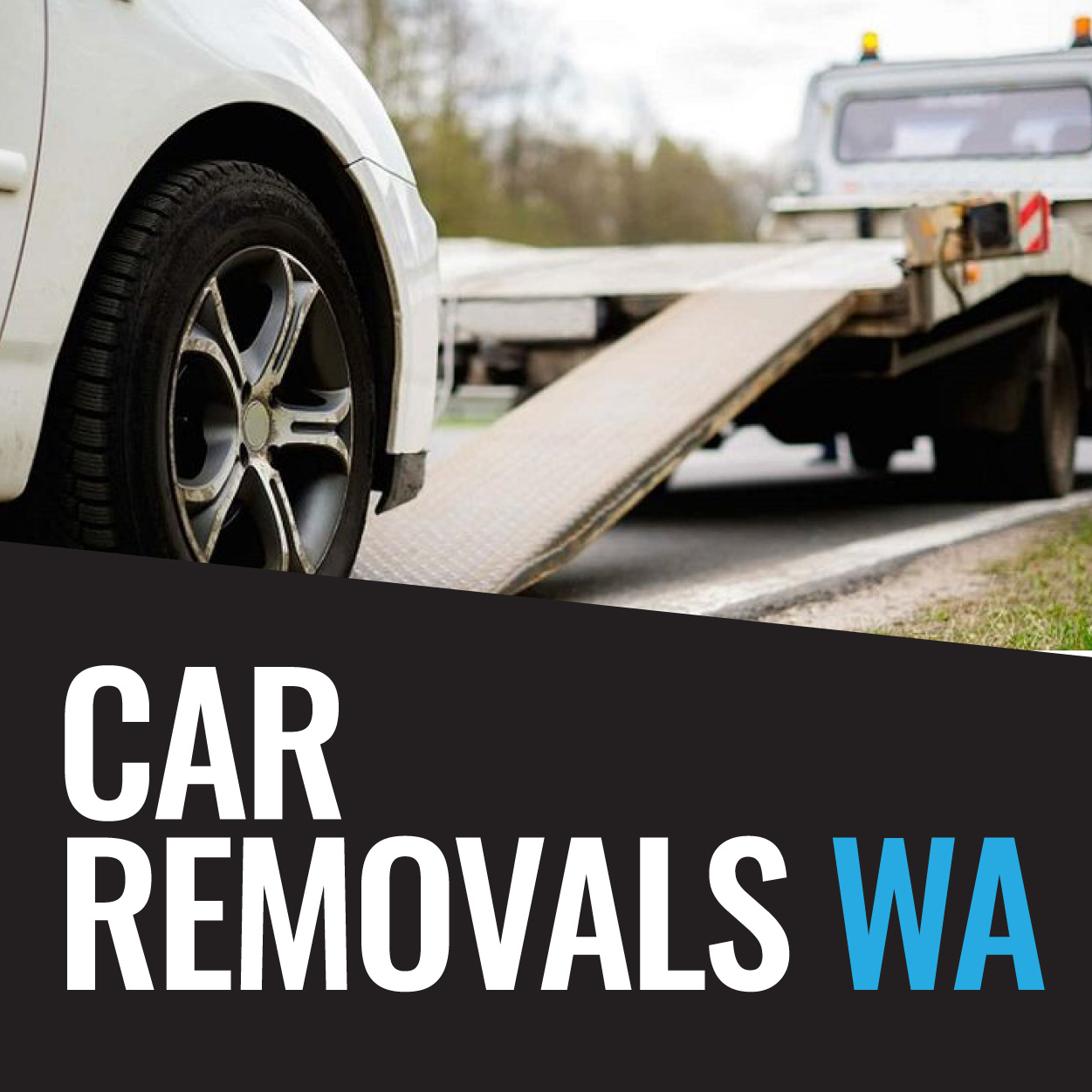
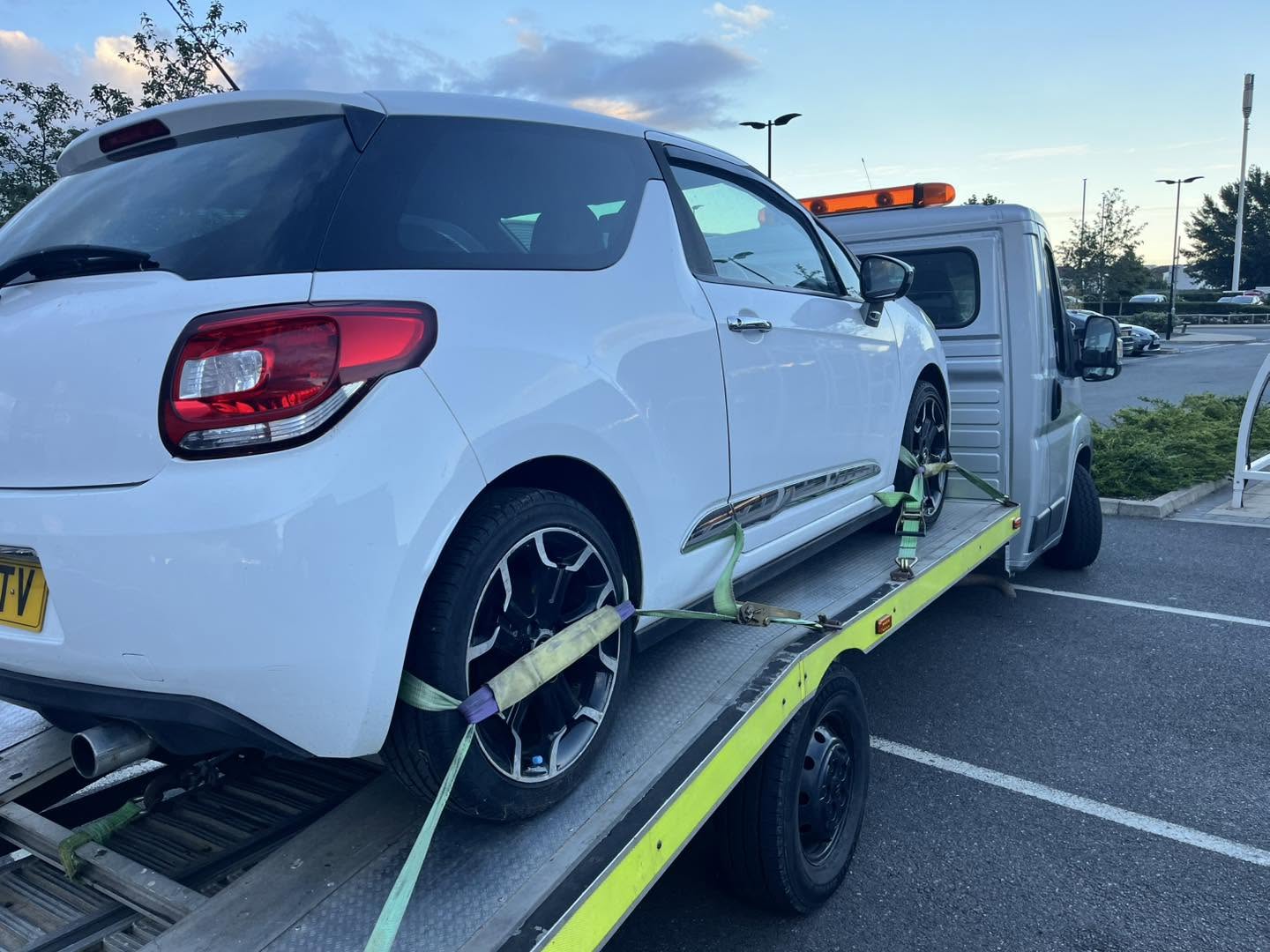
One of the biggest hurdles when selling a damaged car is transport. If your vehicle is not roadworthy, you cannot simply drive it to a buyer. A professional removal service eliminates this worry by providing free towing as part of the transaction. This is not just a convenience; it is a vital part of the value proposition. When a company collects your vehicle for free, you are effectively increasing your net profit from the sale, as you don't have to pay a third-party tow truck operator to move the scrap.
Moreover, reputable companies in South Australia follow ethical disposal practices. They ensure that hazardous materials like oil, coolants, and old batteries are handled and recycled safely. By choosing a service that emphasizes eco-friendly recycling, you are contributing to a more sustainable automotive industry in the region.
If you are ready to resolve the situation and clear that space in your garage or driveway, the process is straightforward. Organizations like Cash 4 Cars have streamlined this experience over the last 12 years to ensure that owners of damaged or unwanted vehicles can receive a competitive offer and have their car removed without the usual stress of private negotiations.
When you contact a professional, be prepared to provide honest details about the car's history. Honesty ensures that the quote you receive is accurate from the start, preventing any disagreements when the removal team arrives.
Selling a damaged vehicle doesn’t have to be a complicated ordeal. By understanding the market, focusing on professional services that value transparency, and choosing a reputable partner for your top cash for cars in Adelaide needs, you can clear your property, recoup some of your initial investment, and move forward with peace of mind.