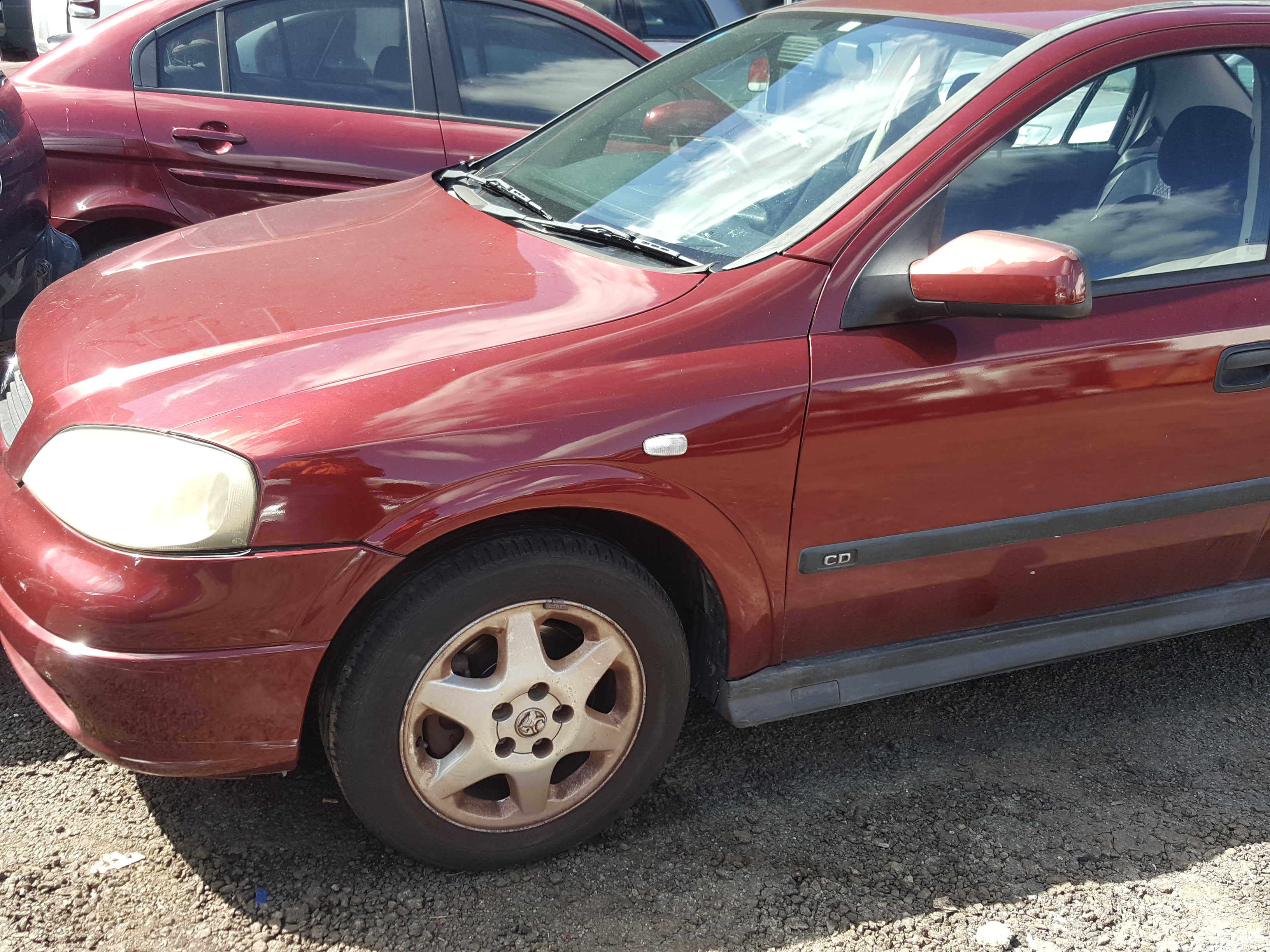

Selling a damaged or unwanted car can seem difficult, especially when the vehicle no longer runs or needs costly repairs. However, several options are available to Australian vehicle owners. The right selling method depends on the car's condition, age, value and paperwork. Understanding the process helps owners make informed decisions and avoid unnecessary delays.
A damaged vehicle does not always need to be repaired before sale. Some buyers accept cars with accident damage, mechanical faults or missing parts. Others purchase vehicles that have reached the end of their useful life. Knowing what information to prepare makes the process easier from the beginning.
The first step is to identify why you want to sell the vehicle. Your reason can influence the selling method, expected price and preparation required.
Some owners sell cars because repair costs are higher than the vehicle's current value. Others have an unwanted vehicle taking up space in their driveway or garage. Common reasons include:
Accident damage: The vehicle has been involved in a collision and needs major repairs.
Mechanical problems: The engine, gearbox or other major components no longer work properly.
High repair costs: Repairs are too expensive compared with the car's market value.
Old age: The vehicle has high kilometres and frequent maintenance needs.
Unused vehicles: The owner no longer needs a second car or has replaced an older model.
Registration issues: The vehicle is unregistered or no longer suitable for regular road use.
Identifying the main reason helps you decide whether a private sale, trade-in or specialist vehicle buyer is suitable.
It is also useful to consider whether the car has any working components. A vehicle that cannot start may still contain reusable parts. This can affect how different buyers assess its value.
The condition of your car plays an important role in determining its selling price. Buyers consider its age, make, model, kilometres, damage and overall condition.
Start by checking the vehicle and recording its main details. You do not need to carry out repairs or take the car apart. A clear description of its condition gives potential buyers useful information.
Look at the major parts and note any known problems. These include:
Engine: Check whether it starts, runs smoothly or has unusual noises.
Transmission: Identify any slipping, shifting problems or complete failure.
Body panels: Look for dents, rust, scratches and accident damage.
Tyres: Record their condition and whether they need replacement.
Electrical systems: Note problems with lights, windows, dashboard displays or other controls.
Interior: Check the seats, dashboard, carpets and general cabin condition.
You can also record the odometer reading and whether the vehicle is currently registered. These details help buyers understand what they are assessing.
Research similar vehicles to understand their general market value. Compare cars with a similar make, model, year and condition. Remember that a damaged vehicle does not usually attract the same price as a roadworthy example.
Repair costs also affect the amount a buyer may offer. For example, a car with serious engine damage can have a lower resale value than one with minor cosmetic damage.
Cash For Cars Sydney is one option for owners who want to explore selling damaged, old or unwanted vehicles. The company provides a vehicle-buying service for people looking to sell cars in different conditions. A clear understanding of the car's condition helps make the initial discussion more useful.
There are several ways to sell a damaged or unwanted vehicle in Australia. The most suitable option depends on its condition, your time and the type of buyer you want to approach.
A private sale involves advertising the vehicle and dealing directly with potential buyers. This option can suit cars that remain roadworthy or have damage that buyers are willing to repair.
You need to prepare an accurate advertisement, respond to enquiries and arrange inspections. Buyers may also request a test drive or an independent vehicle inspection. Be honest about known faults to avoid disputes.
Private sales can take time, especially when the car has serious mechanical problems. Some buyers may also be reluctant to arrange transport for an unregistered or non-running vehicle.
A dealership may accept your existing car as a trade-in when you purchase another vehicle. The dealer assesses its condition and offers an amount that can contribute towards the replacement car.
This option can be convenient because the sale and purchase happen together. However, the trade-in offer depends on the dealership's assessment and business requirements. Older or heavily damaged vehicles may receive limited interest.
Specialist vehicle buyers purchase different types of cars, including unwanted, damaged and non-running vehicles. Their services can suit owners who do not want to organise private advertising or repairs.
Ask how the vehicle is assessed, whether collection is available and what documents are required. Also confirm whether any collection or service fees apply before accepting an offer.
The right option depends on your priorities, so compare the process and costs before making a decision. For more information about selling unwanted vehicles, visit https://www.cashforcarssydney.com.au/
Having the correct paperwork helps make a vehicle sale more straightforward. The documents required can depend on the vehicle's status and the type of transaction.
Prepare the information that helps identify the car and confirm your ownership. This may include:
Vehicle registration details, if registered.
Vehicle Identification Number (VIN).
Make, model and manufacturing year.
Current odometer reading.
Service records and repair invoices, if available.
Details of known damage or mechanical faults.
The VIN is particularly useful because it identifies the specific vehicle. You can usually find it on the vehicle's identification plate or in its paperwork.
Keep documents that show you have the right to sell the vehicle. A buyer may request proof of identity and ownership information before completing the transaction.
If the vehicle is registered, check the current requirements for transferring registration in your state or territory. In New South Wales, sellers and buyers need to follow the relevant Service NSW transfer process. The seller also needs to understand their responsibilities for notifying the relevant authority.
If the vehicle is unregistered, ask the buyer what information is needed to complete the sale. Requirements can differ depending on the circumstances.
A vehicle with an active loan or financial interest can create complications during a sale. Check whether finance remains owing before agreeing to a transaction.
A Personal Property Securities Register (PPSR) search can help identify certain registered security interests. If finance is listed, contact the lender to understand the steps required to resolve it.
Preparing these details early helps reduce confusion when the buyer is ready to proceed.
Once you accept an offer, the next step is to organise payment, paperwork and vehicle collection. The process depends on the buyer and whether the car can be driven.
Before agreeing to the sale, confirm the amount offered and the conditions attached to it. Make sure the buyer has considered the vehicle's actual condition.
Tell the buyer about any faults that were not included in the original description. This includes engine problems, missing parts, accident damage and registration issues.
Owners looking for unwanted car towing Sydney services can compare vehicle buyers that offer collection for cars that cannot be driven. Confirm the collection arrangements and any charges before making a booking.
If the vehicle is not roadworthy, it may need to be transported using a suitable tow truck or vehicle carrier. Confirm that the buyer can collect it from your location.
Before collection, remove personal belongings from the vehicle. Check the glovebox, boot, centre console and door pockets. Also remove toll tags, parking permits and personal number plates where required.
Make sure the vehicle is accessible for collection. Inform the buyer about narrow driveways, locked gates or other access restrictions that could affect the truck.
Understand how and when payment is made. Check that the agreed amount has been received through the confirmed payment method before handing over the keys and vehicle.
Keep a written record of the sale, including the buyer's details, agreed amount, vehicle information and transaction date. A receipt or signed sale agreement provides a record for both parties.
Complete any required registration transfer or disposal notification through the relevant state authority. Keep copies of the documents for your records.
A damaged or unwanted vehicle may have further value after it leaves the owner's property. Its final use depends on its condition, parts and suitability for recycling.
Some vehicles contain components that remain useful even when the car cannot be driven. These may include mirrors, doors, seats, wheels, lights and selected mechanical parts.
A vehicle buyer or dismantler may inspect these components to identify parts suitable for reuse. Reusing suitable parts can reduce demand for new replacements and limit unnecessary waste.
Vehicles contain materials such as steel, aluminium, copper and other metals. Appropriate recycling facilities can recover some of these materials for further processing.
Before recycling, vehicles need suitable handling. Fluids, batteries and other components require appropriate treatment to reduce environmental risks. The exact recovery process depends on the vehicle and the facility's methods.
Old vehicles can contain materials that need careful handling. These include engine oil, coolant, brake fluid, batteries and other automotive substances.
Leaving a damaged car abandoned or allowing fluids to leak can create environmental problems. Using an appropriate vehicle disposal service helps ensure the car enters a suitable recovery or recycling process.
Vehicle owners can also check that the buyer or collection service explains how the vehicle is handled after collection. This provides a clearer understanding of the disposal process.
Selling a damaged or unwanted car becomes easier when you understand each stage of the process. Start by assessing the vehicle's condition, comparing selling options and preparing the required documents. Then confirm the offer, payment arrangements and collection details before handing over the car.
Private sales, dealership trade-ins and specialist vehicle buyers each have different requirements. Compare these options based on your vehicle's condition, the time involved and the services available. A little preparation helps make the transaction clearer and reduces the risk of unexpected problems.